How to Import Clothing from China: Step-by-Step Guide
9–14 minutes
For retailers, brand owners, and entrepreneurs seeking high-quality, cost-effective products, importing clothing from China is a smart choice – whether you focus on baby and kids’ clothing, activewear, or a mix of various categories. China’s extensive manufacturing network offers everything from affordable wholesale basics to customized OEM/ODM designs, making it the preferred sourcing hub for global clothing buyers. However, for first-time importers, the entire process can be overwhelming. This detailed step-by-step guide explains the complete process from planning to receiving goods, helping you avoid common pitfalls and ensure a smooth, profitable import experience.
Step 1: Define Your Sourcing Goals and Product Specifications
Before contacting suppliers, it is crucial to clarify your needs – this saves time, reduces communication issues, and helps you find the right manufacturing partner. Focus on the following key details, especially for categories with special requirements such as baby and kids’ clothing and activewear:
- Product Type and Niche: Decide whether you want to import baby and kids’ clothing (such as onesies, rompers, jackets), activewear (such as fitness leggings, sports tops, yoga wear), or both. Specify particular styles, such as organic baby clothing, quick-dry activewear, or gender-neutral designs.
- Quality and Compliance Standards: For baby and kids’ clothing, safety is the top priority. Ensure products meet global standards, such as the US CPSIA (Consumer Product Safety Improvement Act), EU EN 14682, and Australian AS/NZS 1249. Requirements include non-toxic fabrics, safe dyes, and no small parts that could pose a choking hazard. For activewear, focus on functional requirements such as breathability, elasticity, and UV protection, as well as fabric quality (polyester, spandex, organic cotton).
- Minimum Order Quantity (MOQ): Most Chinese clothing manufacturers have MOQ requirements. The MOQ for each style of baby and kids’ clothing is usually between 50 and 500 pieces, while for activewear it is between 100 and 1,000 pieces. Determine the MOQ based on your budget, warehousing capacity, and market demand. Many suppliers offer lower MOQs for long-term cooperative buyers or customized orders.
- Pricing and Budget: Set a target unit price and total budget, including manufacturing costs, shipping fees, customs duties, and other hidden costs (detailed later). Remember, cheaper is not necessarily better – low prices often mean compromised quality, especially for baby and kids’ clothing, where safety is crucial and non-negotiable.
- Customization Services (OEM/ODM): If you need products with brand logos or customized designs (such as logo printing on activewear or exclusive prints on baby clothing), confirm whether the supplier provides OEM/ODM services. This may require additional payment for sample development and mold fees.
Step 2: Find Reliable Chinese Clothing Suppliers
The success of importing largely depends on selecting reliable suppliers. There are thousands of clothing manufacturers in China, but not all are equally capable. You should focus on suppliers with experience in your niche (such as baby and kids’ clothing or activewear) and a proven track record of working with international buyers. Here are the best ways to find suppliers:
- Online Channel Search: Quickly screen potential suppliers through major online B2B platforms or by searching relevant keywords on Google (for example, baby clothing + factory, activewear + supplier, Chinese clothing manufacturer).
- Trade Show Sourcing: Attend major Chinese clothing trade shows, such as the Canton Fair (Guangzhou), China International Fashion Fair (Shanghai), or Kids Fashion Expo. This allows you to communicate face-to-face with suppliers, examine fabric samples, and negotiate cooperation terms on-site. It is an ideal way to build trust.
- Supplier Qualification Verification: After shortlisting 3–5 potential suppliers, verify their legitimacy. Request a business license and factory address (you can confirm the location via Google Maps). Engage a third-party certification agency (such as SGS or Intertek) to audit the factory’s production capacity and quality control processes. This is especially important when sourcing baby and kids’ clothing.
Pro Tip: When sourcing baby and kids’ clothing, prioritize suppliers who specialize in infant apparel, as they have a better understanding of safety standards and fabric requirements. When sourcing activewear, choose manufacturers with experience in functional fabrics and performance testing.
Step 3: Request Samples and Negotiate Cooperation Terms
Never place a bulk order without first testing samples – this is the only way to confirm quality, fit, and compliance. Here are the specific methods for sample handling and term negotiation:
- Request Samples: Contact the shortlisted suppliers and ask for samples of the products you plan to import. Clearly specify the fabric type, size, color, and any customized details (such as logos or prints). Most suppliers charge a sample fee (usually $20–$50 per sample) plus shipping, but this fee is usually refundable if you place a bulk order later.
- Sample Inspection: After receiving the samples, conduct a comprehensive test.
- For baby and kids’ clothing: Check the softness of the fabric, color fastness (wash the sample to confirm no fading), and verify compliance with safety standards (look for labels indicating non-toxic materials).
- For activewear: Test the fabric’s breathability, elasticity, and durability (such as pulling the fabric to check for tearing). Verify that functional features such as quick-drying and UV protection match the product’s promotion.
- Negotiate Terms: Once you are satisfied with the samples, negotiate the following terms with the supplier:
- Unit Price: Negotiate the unit price based on the minimum order quantity (MOQ). Generally, the larger the order quantity, the lower the unit price.
- Payment Terms: A common payment method for importers is 30% advance payment to start production and 70% balance payment before shipment. Avoid 100% advance payment, as this method is extremely risky.
- Production Cycle: Most clothing orders have a production cycle of 2–4 weeks, depending on the MOQ and customization requirements. Confirm a clear delivery date to avoid delays.
- Quality Control: Agree on a quality inspection process, such as random sampling of 10%–15% of the order, and specify penalty terms for non-compliant products.
- Packaging Requirements: Negotiate packaging standards, such as individual plastic bags for baby and kids’ clothing or branded packaging for activewear, to ensure compliance with international shipping standards.
- Sign a Contract: After reaching an agreement on the terms, sign a formal contract specifying all details, including product specifications, MOQ, price, payment terms, production cycle, quality standards, and dispute resolution methods. This protects the rights and interests of both you and the supplier.

Step 4: Arrange Payment and Production
After signing the contract, pay the advance payment to start production. Here are the relevant precautions:
Payment Methods: The most common payment methods used by Chinese suppliers are:
- Telegraphic Transfer (T/T): Safe and widely used – transfer the advance payment to the supplier’s bank account. Ensure you verify the correct bank information; you can ask the supplier to provide a bank slip for verification.
- Letter of Credit (L/C): Suitable for large orders (over $10,000)—the bank guarantees that the supplier will receive payment after meeting the contract terms. This method can reduce risks for both parties but is more complex and costly.
Production Follow-Up: Maintain communication with the supplier during production to track progress. Request weekly updates and photos of the production line to help detect problems early, such as incorrect fabrics or size deviations.
Pre-Shipment Inspection (PSI): Before the order is shipped, entrust a third-party agency (such as SGS or Bureau Veritas) to conduct a pre-shipment inspection. Inspectors will check the quality, quantity, and compliance of the order with your specifications. If problems are found, the supplier can rectify them before shipment, avoiding high return costs or customs delays.
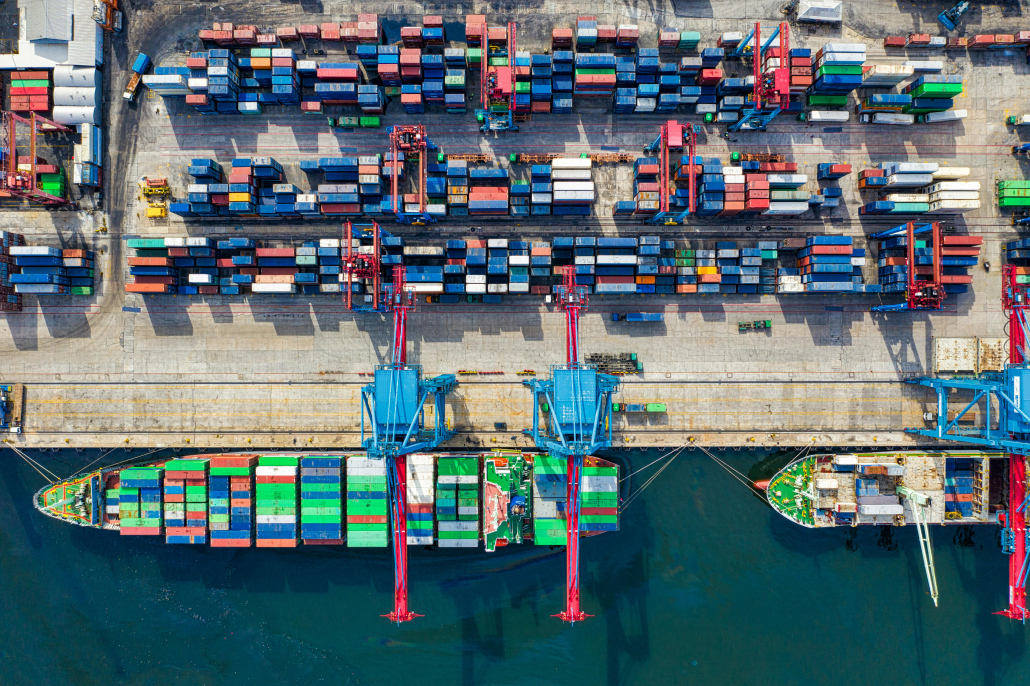
Step 5: Choose a Shipping Method and Arrange Logistics
Shipping is a key step – choose a shipping method that balances cost, speed, and your needs. The main options for importing clothing from China are as follows:
- Sea Freight: Suitable for large orders (over 500 kg or 1 cubic meter). It is the least expensive method but takes the longest time (2–6 weeks depending on the destination; for example, 2–3 weeks to the US, 4–6 weeks to Europe). Most clothing importers use sea freight for bulk orders to reduce costs.
- Air Freight: Suitable for small orders, samples, or urgent shipments. It is fast (3–7 days) but expensive, costing 5–10 times more than sea freight. Choose air freight if you need to restock quickly or test new products.
- Express Shipping (DHL, FedEx, UPS): The fastest option (1–3 days) but also the most expensive. Only suitable for small samples or emergency orders.
Key Logistics Tips:
- Work with a reliable freight forwarder: A freight forwarder manages all logistics tasks (booking shipments, customs clearance, document preparation) and can help you select the best shipping method. They have long-term relationships with carriers, which can help you save on shipping costs.
- Understand Incoterms: Incoterms (such as FOB, CIF, DDP) define the division of responsibilities between you and the supplier. For first-time importers, FOB (Free On Board) is recommended – the supplier delivers the goods to the port, and you are responsible for shipping, customs clearance, and delivery to your warehouse. CIF (Cost, Insurance, Freight) means the supplier covers shipping and insurance costs, but you are responsible for customs clearance. DDP (Delivered Duty Paid) is the most convenient option – the supplier handles everything, including customs clearance and door-to-door delivery, but it is more expensive.
Prepare shipping documents: The supplier will provide key documents, including:
- Commercial Invoice (specifying order details, price, and quantity)
- Packing List (specifying packaging details, weight, and volume)
- Bill of Lading (for sea freight) or Air Waybill (for air freight)
- Certificate of Origin (proving the goods are made in China, which may qualify for lower customs duties in some countries)
- Compliance Certification (such as CPSIA certification for baby and children’s clothing, OEKO-TEX certification for fabrics)
Step 6: Clear Customs and Receive the Shipment
Customs clearance is often the most stressful part of the import process, but adequate preparation can make it straightforward. The specific steps are as follows:
- Understand Customs Duties and Taxes: Check the customs regulations for clothing imports in your country or region. Duties vary by product type: baby and children’s clothing may qualify for lower duties (or even be duty-free in some countries), while activewear is usually subject to standard textile duties. Calculate estimated duties and taxes through your country or region’s customs website or a freight forwarder to avoid unexpected costs.
- Submit Documents to Customs: Submit all required documents (commercial invoice, packing list, bill of lading or air waybill, certificate of origin) to the customs authority in your country or region. Your freight forwarder can assist with this process.
- Customs Inspection: Customs may randomly inspect the goods to verify that they match the documents and comply with local regulations. For baby and kids’ clothing, customs may check safety compliance (such as whether the fabric is non-toxic), so ensure all certification documents are complete.
- Pay Duties and Taxes: After customs approves the shipment, pay the required duties and taxes. Once payment is complete, the goods will be released.
- Receive and Inspect the Shipment: When the goods arrive at your warehouse, inspect them immediately. Check the quantity, quality, and packaging. If you find any damage or non-compliant products, contact the supplier and freight forwarder to resolve the issue (refer to the dispute resolution terms in the contract).
Step 7: Post-Import Follow-Up and Long-Term Cooperation
The import process does not end when you receive the goods. Here are ways to ensure long-term success:
- Provide Feedback to the Supplier: Give feedback to the supplier on the order – acknowledge high-quality parts and point out any existing problems (such as production delays or minor quality defects). This helps the supplier improve and strengthens the cooperative relationship between both parties.
- Track Inventory and Sales: Monitor inventory and sales to determine when restocking is necessary. For baby and kids’ clothing and activewear, pay close attention to seasonal trends (such as summer baby onesies and winter activewear) and adjust orders accordingly.
- Establish a Long-Term Cooperative Relationship: If you are satisfied with the supplier’s quality and service, consider establishing a long-term cooperative relationship. This can provide more favorable prices, lower minimum order quantities (MOQs), priority production, and faster delivery times – all of which are crucial for the growth of your clothing business.
Common Pitfalls to Avoid
- Skipping Sample Testing: Skipping sample testing may result in receiving low-quality or non-compliant products, especially for baby and kids’ clothing (safety risks) and activewear (functional issues).
- Ignoring Compliance Standards: Non-compliant baby and kids’ clothing may be seized by customs or cause legal issues – always verify safety certifications.
- Choosing the Cheapest Supplier: Low prices often mean compromised quality or hidden costs, such as inferior fabrics or production delays.
- Not Reading the Contract Carefully: Always review the contract carefully, focusing on payment terms, quality standards, and dispute resolution methods.
Conclusion
Importing clothing from China – whether baby and kids’ clothing, activewear, or other categories – can be a profitable business with adequate preparation and the right partner. By following this detailed step-by-step guide, you can navigate the import process smoothly, avoid common mistakes, and establish a reliable supply chain. Remember, patience and due diligence are essential. Taking the time to find the right supplier, test samples thoroughly, and understand logistics will help you build a solid foundation for your clothing business.
If you’re ready to start sourcing, focus on suppliers with proven experience in your niche, prioritize quality and regulatory compliance, and don’t hesitate to ask questions. Reliable suppliers are usually happy to walk you through each step of the process.
Fujian Seamtop apparel
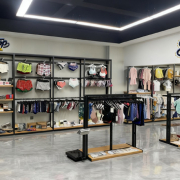
Fujian seamtop apparel based in Quanzhou, Fujian Province—a core hub of China’s textile and apparel industry with a rich heritage of quality manufacturing—our company specializes in designing, producing, and supplying high-performance, child-friendly, and comfortable apparel for families. With a focus on three key product lines, we combine professional craftsmanship, safe materials, and user-centric design to meet the diverse needs of modern consumers.
